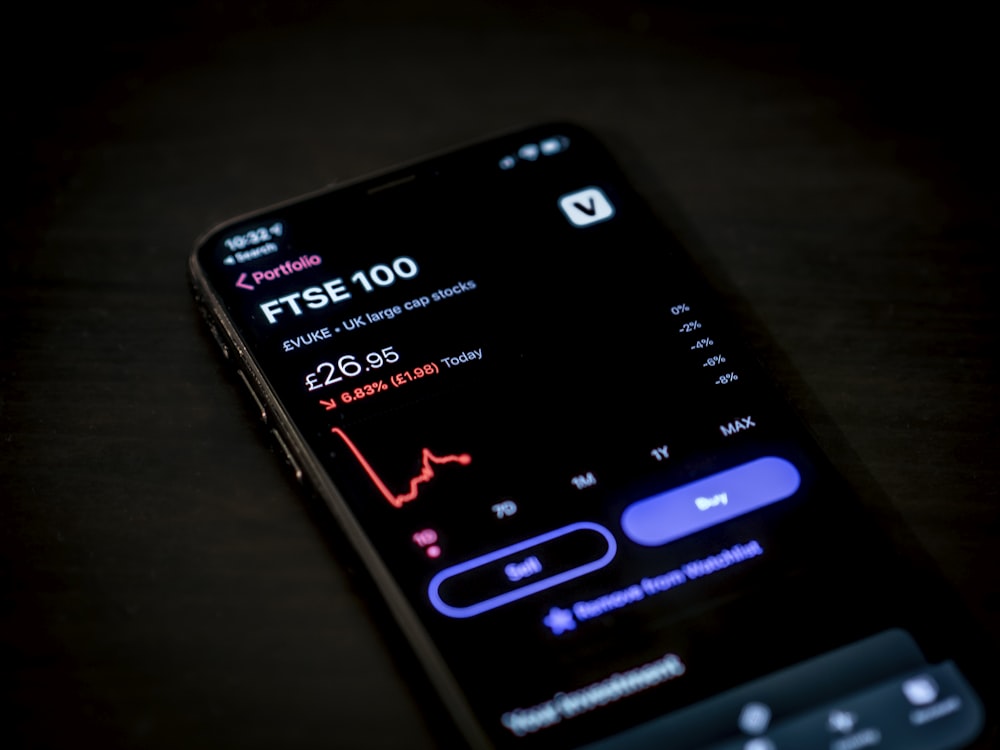
📊 The Policy Shift: Key Numbers
- Fed Stance: Probability of a March rate cut dropped from 64% to 12% in five days.
- Real Yield Spike: 10-year Treasury inflation-indexed yields climbed 25 basis points to a 2026 high.
- DXY Dominance: The US Dollar Index broke through the 109 resistance level, crushing non-yielding assets.
- The Core Reason: "Sticky" core inflation data forced central banks to abandon the 2026 easing timeline.
It’s a feeling gold bugs know all too well: the sudden, gut-wrenching realization that the "unlimited upside" wasn't as unlimited as it seemed. After a January that saw gold flirting with $2,800/oz, the floor didn't just vibrate—it gave way. But if you were looking at the charts instead of the headlines, you could see the shadows of the central bankers before they even stepped to the podium.
To the casual observer, the recent crash in gold and silver might look like a random market spasm. To an analyst, it was a masterclass in how central bank signaling can reprice entire asset classes in mere hours. This wasn't a failure of gold as a hedge; it was a success of the US dollar as a weapon.
Why should you care? Because the forces that crashed gold this week are the same ones deciding the interest rates on your mortgage, the value of your savings, and the cost of every imported good in your home. Let’s look at the data behind the policy shift that changed everything.
The Pivot Heard 'Round the World
For the better part of 2025, the market operated on a single, comfortable assumption: the Federal Reserve was done. Rates were supposed to glide down, the dollar was supposed to weaken, and gold was supposed to be the beneficiary of a new era of easy money.
Then came the January 28 Fed press conference. While no rates were changed, the *language* was a tectonic shift. Fed Chair Jerome Powell didn't just push back against a March cut; he eliminated it from the table, citing a "stubbornly resilient" labor market and core services inflation that refused to cool.
The Market Translation: The "Fed Put"—the idea that the central bank would save the market with lower rates—is currently dead. When the Fed moves from "waiting to cut" to "preparing to hold," the opportunity cost of holding gold skyrockets.
Real Yields: The Silent Killer of Bull Runs
If you want to understand gold, stop looking at gold. Look at Real Yields. A real yield is what you get from a government bond *after* you subtract inflation. It is the most important metric in the precious metals universe.
Gold pays no dividend. It has no yield. It just sits there, looking pretty and preserving value. This makes it incredibly attractive when bonds are paying you 0% or negative returns in real terms. But when central banks tighten policy, real yields rise. Suddenly, getting a guaranteed 2.5% or 3% *above inflation* from a US Treasury bond looks a lot better than a bar of yellow metal in a vault.
Between January 20 and February 1, 10-year real yields jumped from 1.95% to 2.22%. To a retail investor, that’s a small number. To a pension fund manager or a central bank with billions, that’s a massive incentive to rotate out of metals and into debt.
The Silver Multiplier
Silver, as usual, acted like gold on steroids. Because silver has massive industrial demand (solar panels, electronics, EV batteries), it gets hit by a double whammy. Not only does the monetary policy shift hurt its "store of value" appeal, but the "higher-for-longer" rate environment also sparks fears of an industrial slowdown. When money gets expensive, factories stop expanding. When factories stop expanding, they buy less silver.
The Global Ripple: Coordinated Hawkishness
The Fed wasn't alone. In a surprising display of global coordination, the European Central Bank (ECB) and the Bank of Japan (BOJ) also signaled a "wait-and-see" approach that was far more hawkish than the market expected.
- The ECB: President Christine Lagarde warned that wage growth in the Eurozone is still "inconsistent" with 2% inflation targets.
- The BOJ: Signaled that the era of negative rates is not just over, but that further hikes are closer than the market priced in to defend the Yen.
When the whole world's central banks decide that money needs to stay expensive, there is nowhere for precious metals to hide. Liquidity—the lifeblood of the 2025 bull run—is being drained from the system.
Frequently Asked Questions
Is the gold bull market officially over?
Not necessarily. Bull markets often experience "corrections" of 10-15% during their lifecycle. The fundamental drivers—geopolitical risk and central bank accumulation (especially in Asia)—remain strong. However, the "easy money" phase of the rally is likely on pause until the Fed pivot actually happens.
Why did gold fall if inflation is still high?
Because gold isn't just an inflation hedge; it's a "real yield" hedge. If inflation is 5% and interest rates are 6%, you are making money in bonds. Gold thrives when inflation is *higher* than interest rates (negative real rates). Currently, the Fed is keeping rates higher than inflation, which is a headwind for gold.
Should Gen-Z investors look at silver as a "buy the dip" opportunity?
Silver is currently trading near its 200-day moving average. For those with a 5-10 year horizon, the industrial demand from the "Green Transition" is a massive fundamental tailwind. But in the short term, expect "diamond hands" to be tested as volatility remains high.
The Bottom Line: Translating Insight into Action
The central banks didn't set out to crash gold. They set out to preserve the value of their currencies by fighting inflation. Gold's decline was simply the collateral damage of a world rediscovering the value of "cash."
What does this mean for you? It means the era of "everything-up" is giving way to an era of "selectivity." If you are holding silver or gold, you have to ask yourself if you believe the central banks can actually keep rates this high without breaking the economy. If they can, metals will struggle. If something breaks—be it a bank, a housing market, or a national debt ceiling—gold will be the first to remind the world why it has been money for 5,000 years.
Watch the yields, not the headlines. The data always speaks first.